
Spituk Gompa
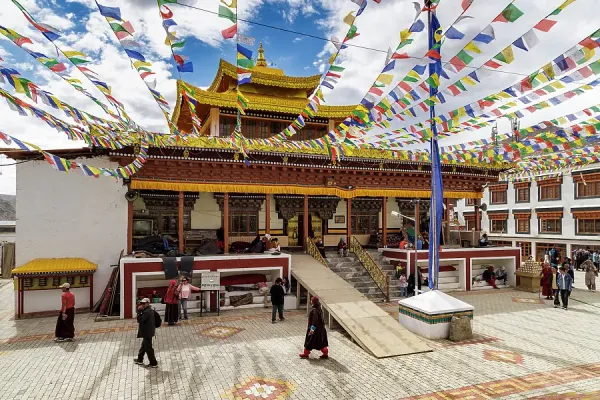
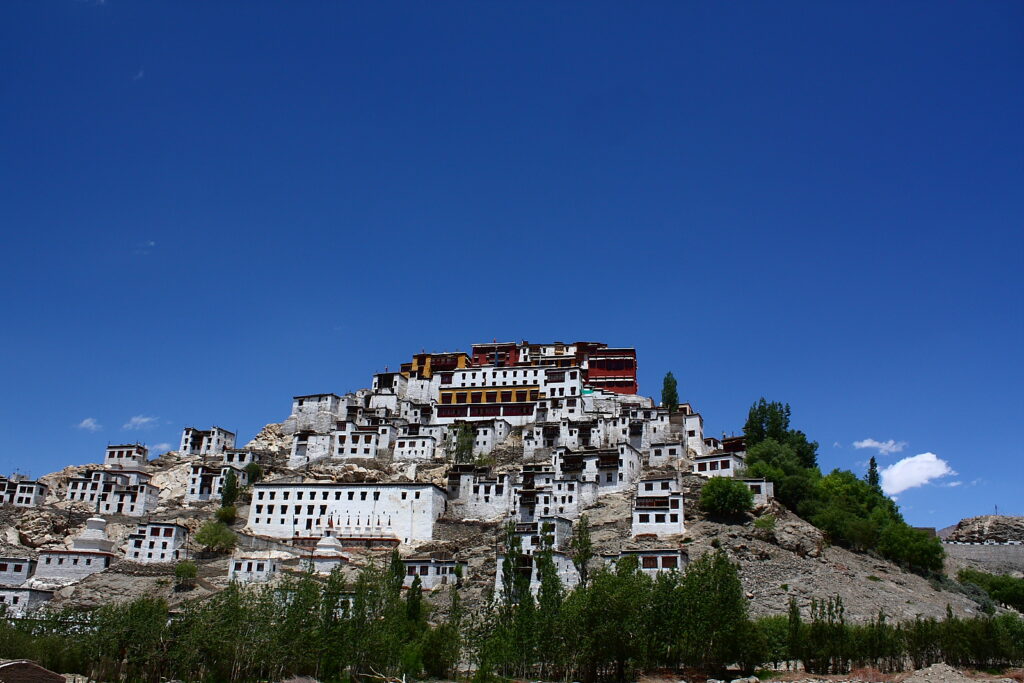
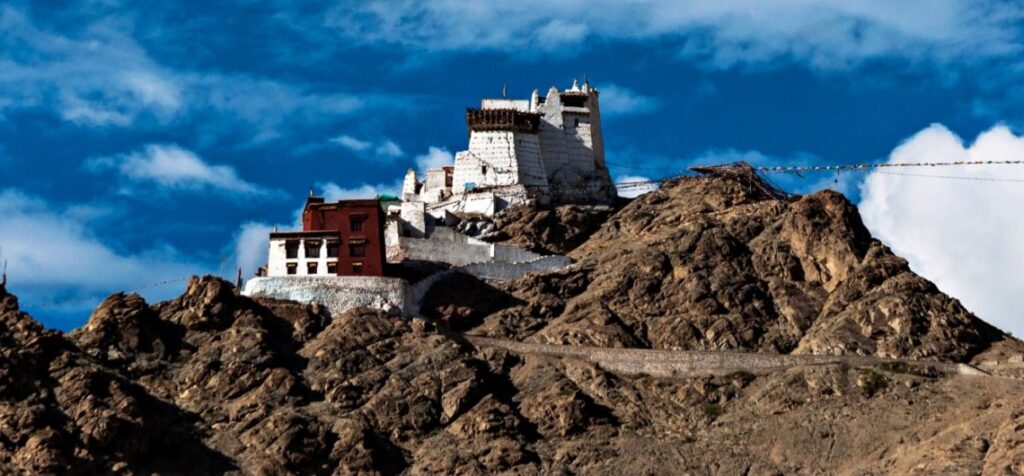
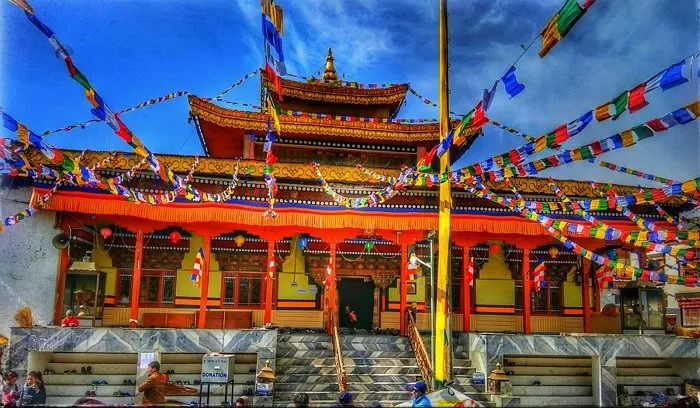
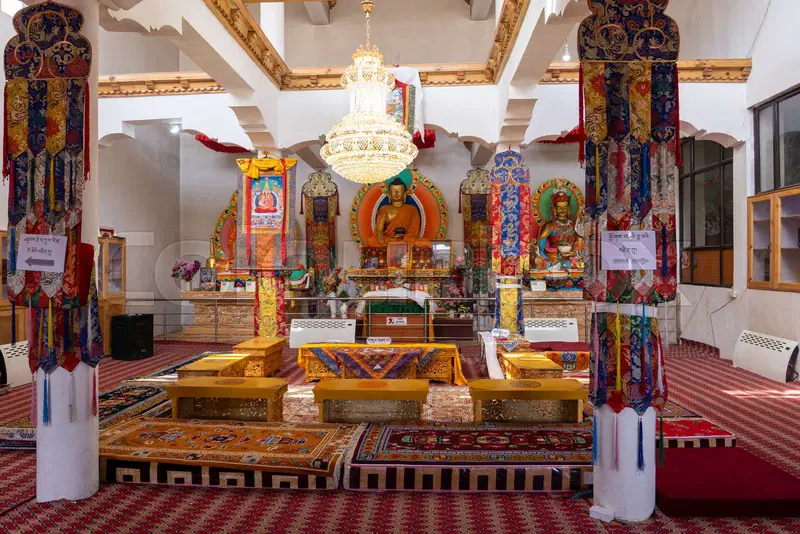
Spituk Monastery, also known as Spituk Gompa, is one of the most prominent and ancient Buddhist monasteries in the Leh district of Ladakh. Perched majestically on a hilltop about eight kilometers from Leh town, the monastery overlooks the Indus River and offers panoramic views of the surrounding Himalayan landscape. Its serene location and spiritual significance make it an important religious, cultural, and tourist landmark of Ladakh. Founded in the 11th century by Od-de, the elder brother of the famous Ladakhi king Lha Lama Changchub Od, Spituk Monastery originally belonged to the Kadampa school of Tibetan Buddhism. In the 15th century, it came under the influence of the Gelugpa (Yellow Hat) sect, which continues to manage the monastery today. Over the centuries, the gompa has undergone several renovations while preserving its traditional Ladakhi architectural style. The monastery complex houses a rich collection of ancient Buddhist artifacts, including thangkas (religious paintings), old masks, sculptures, and scriptures. One of the most notable features of Spituk Monastery is the statue of Goddess Kali (Mahakala), which remains covered throughout the year and is revealed only during the annual Spituk Gustor Festival. This festival, usually held in winter, features vibrant Cham dances performed by monks in colorful masks and costumes, symbolizing the triumph of good over evil and attracting devotees as well as tourists from across the region.