WordPress Website

Festivals

fest5

Hemis Festival

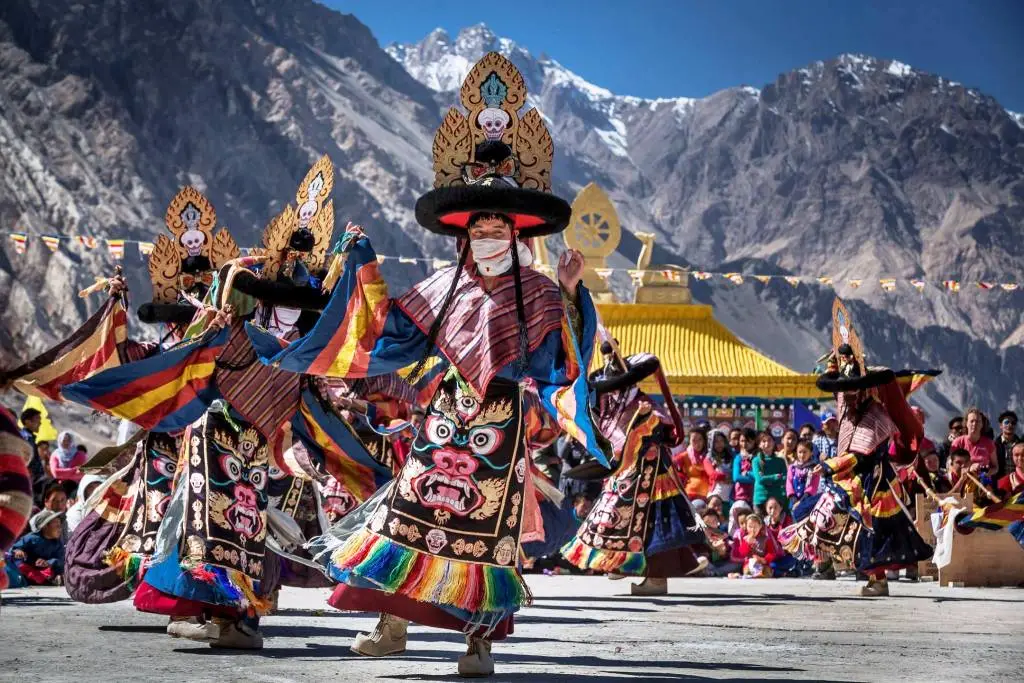
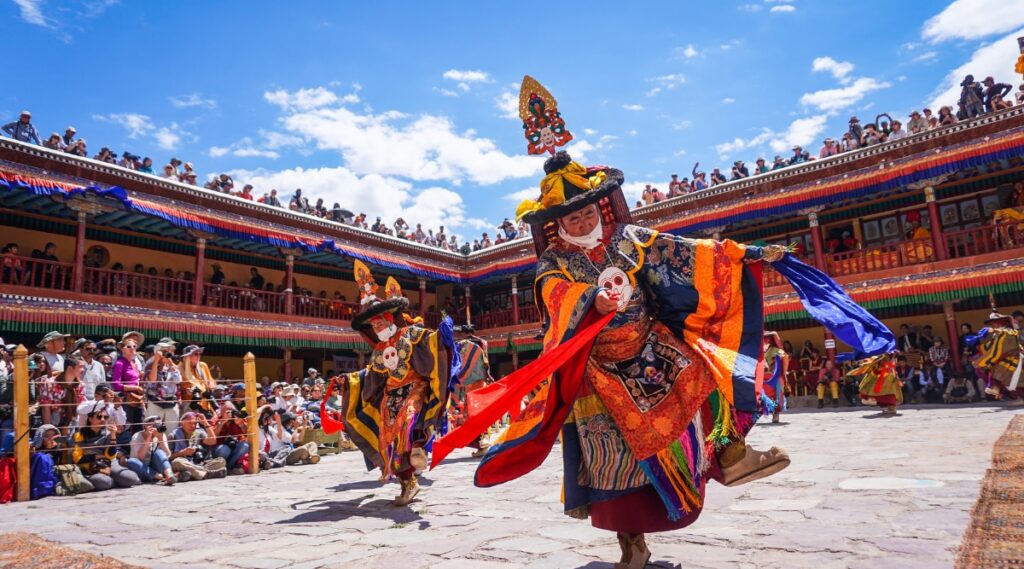
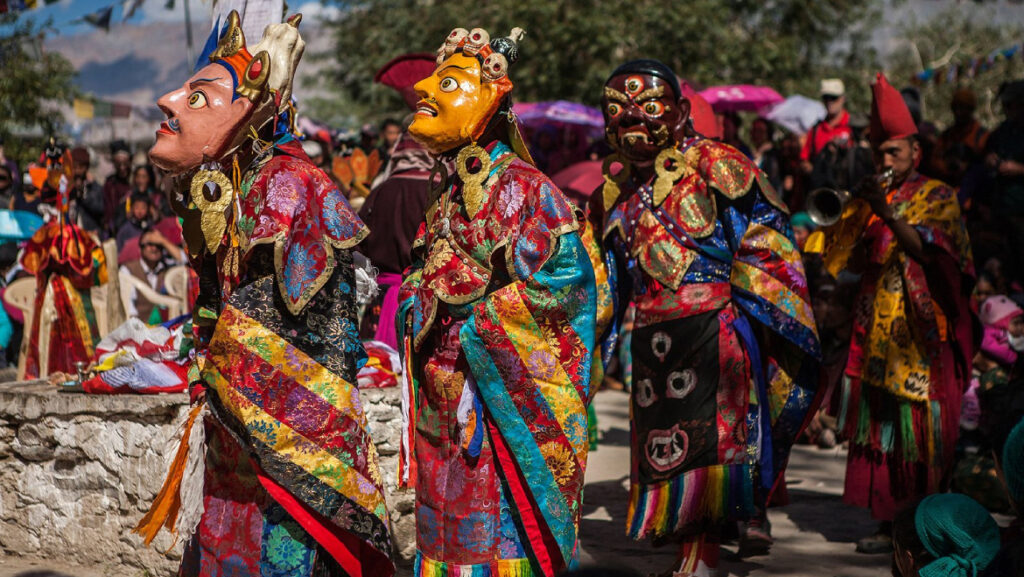
The Hemis Festival is one of the most vibrant and significant cultural festivals of Ladakh, celebrated with great devotion and enthusiasm near Leh. Held annually at the historic Hemis Monastery, the festival marks the birth anniversary of Guru Padmasambhava, also known as Guru Rinpoche, who is revered as the founder of Tibetan Buddhism in the Himalayan region. Celebrated in the month of June or July according to the Tibetan lunar calendar, the Hemis Festival—locally called Hemis Tsechu—draws thousands of devotees, tourists, monks, and cultural enthusiasts from across India and around the world. The highlight of the Hemis Festival is the mesmerizing Cham dance, a sacred masked dance performed by Buddhist monks dressed in colorful silk robes and elaborate masks. Each mask symbolizes divine deities, protectors of Dharma, or forces of good and evil. Through rhythmic movements, traditional music, and symbolic gestures, the dances narrate the triumph of good over evil and the teachings of Buddhism, offering spiritual blessings to onlookers. The monastery courtyard becomes a living canvas of music, motion, and devotion, accompanied by the sound of drums, cymbals, and long horns, creating a deeply spiritual atmosphere.
Hemis Festival Read More »

fest4

Matho Nagrang Festival

The Matho Nagrang Festival is one of the most unique and spiritually intense festivals of Ladakh, celebrated annually at Matho Monastery, located about 26 km southeast of Leh. Observed on the 15th day of the first month of the Tibetan lunar calendar (usually in February or March), the festival is deeply rooted in Tibetan Buddhist traditions and is renowned for its rare oracle rituals. Matho Monastery belongs to the Sakya sect of Tibetan Buddhism and was founded in the early 16th century. The Matho Nagrang Festival is dedicated to the protector deities of the monastery, especially Rongtsan, believed to safeguard the region and its people. Unlike many Ladakhi festivals that focus on masked dances, Matho Nagrang is distinct for its oracle tradition, making it one of the most extraordinary religious events in the Himalayas. The highlight of the festival is the appearance of two monks who serve as oracles. After days of intense meditation and ritual preparation, these monks enter a trance-like state, believed to be possessed by the protector deities. During this sacred trance, the oracles make prophecies about the well-being of the region, agriculture, natural calamities, and social harmony for the coming year. Witnessing the oracles, often blindfolded and performing acts considered humanly impossible, evokes deep reverence among devotees and visitors alike. Locals place immense faith in these predictions, which are carefully recorded and remembered throughout the year.

Matho Nagrang Festival Read More »

fest3

Dosmochey Festival

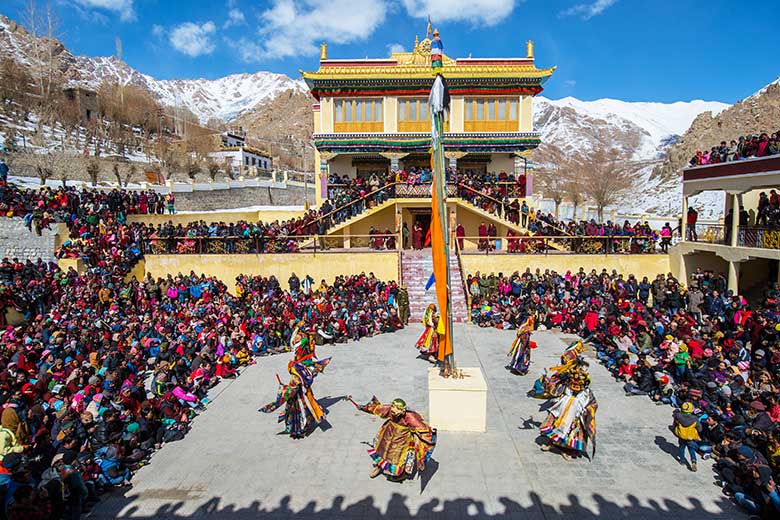
The Dosmochey Festival is one of the most important and spiritually significant Buddhist festivals celebrated in Leh, Ladakh. Rooted deeply in Tibetan Buddhist traditions, Dosmochey symbolizes the victory of good over evil and is observed to ward off negative forces while praying for peace, harmony, and prosperity in the region. Dosmochey is celebrated annually in late winter, usually in February, according to the Tibetan lunar calendar. The festival traces its origin to the teachings of Guru Padmasambhava, who introduced rituals to dispel evil spirits and protect people from natural calamities, diseases, and misfortune. The name Dosmochey literally means “the great scapegoat”, reflecting the ritual of symbolically transferring negative energies away from society. The main celebrations in Leh take place at Leh Palace and major monasteries such as Thiksey and Diskit. During the festival, monks perform sacred Cham mask dances, wearing vibrant costumes and elaborately designed masks representing protective deities and mythical figures. These dances are not merely performances but spiritual rituals believed to purify the surroundings and cleanse the community of harmful influences. A central highlight of Dosmochey is the construction of intricate thread-cross structures called Dosmo. These structures symbolically trap evil spirits and negative energies. At the end of the festival, they are ceremonially dismantled or discarded, signifying the removal of obstacles and the beginning of renewed spiritual balance.

Dosmochey Festival Read More »

fest2

Losar Festival

Losar is the traditional New Year festival of Ladakh, celebrated with great joy and spiritual devotion in Leh and across the region. Deeply rooted in Tibetan Buddhist culture, Losar marks the beginning of the lunar calendar and symbolizes renewal, prosperity, and the victory of good over evil. The festival usually falls between late December and February, depending on the lunar cycle, and is among the most significant cultural events in Ladakh. Losar is more than just a New Year celebration; it is a time for spiritual cleansing and reflection. Preparations begin days in advance, with homes thoroughly cleaned to remove negativity and welcome good fortune. Monasteries in and around Leh become centers of activity, hosting special prayers, rituals, and mask dances (Cham) performed by monks. These sacred dances represent the triumph of wisdom over ignorance and are believed to protect the community from evil forces. During Losar, families come together to prepare traditional Ladakhi dishes such as thukpa, khapse (deep-fried cookies), and butter tea. Homes are decorated with colorful prayer flags, and offerings are made to household shrines. On the main day, people wear traditional attire, visit monasteries, exchange greetings, and seek blessings for a prosperous year ahead. A distinctive feature of Losar in Leh is the strong community spirit. Villagers and townspeople gather for cultural programs, folk music, and dances, reinforcing social bonds and preserving age-old traditions. Elders pass down stories, customs, and values to the younger generation, ensuring cultural continuity.

Losar Festival Read More »

fest1

Sindhu Darshan Festival

The Sindhu Darshan Festival is one of the most significant cultural and spiritual festivals celebrated in Leh, in the Union Territory of Ladakh. Held annually on the banks of the sacred Indus River (locally known as Sindhu), the festival symbolizes national unity, cultural harmony, and reverence for nature. It usually takes place in June, when Ladakh becomes accessible to visitors after winter. The festival was first organized in 1997 with the objective of highlighting the cultural importance of the Indus River and promoting the idea of unity in diversity. The Indus River has been a cradle of ancient civilizations and plays a vital role in India’s history, culture, and spirituality. Sindhu Darshan Festival was envisioned as a platform to bring people from different states, cultures, and religions together under a shared heritage. Sindhu Darshan Festival reflects the deep spiritual bond between humans and nature. Religious leaders, monks, and devotees from across India gather to offer prayers to the river, expressing gratitude for its life-sustaining role. Water and soil brought from different Indian states are ceremonially immersed in the Indus, symbolizing national integration and oneness. The Sindhu Darshan Festival is more than a cultural event—it is a celebration of India’s civilizational roots, spiritual wisdom, and national unity.

Sindhu Darshan Festival Read More »

Shopping Cart
News
Jobs
Home
Listings
Contact