
About Us
History Of LEH
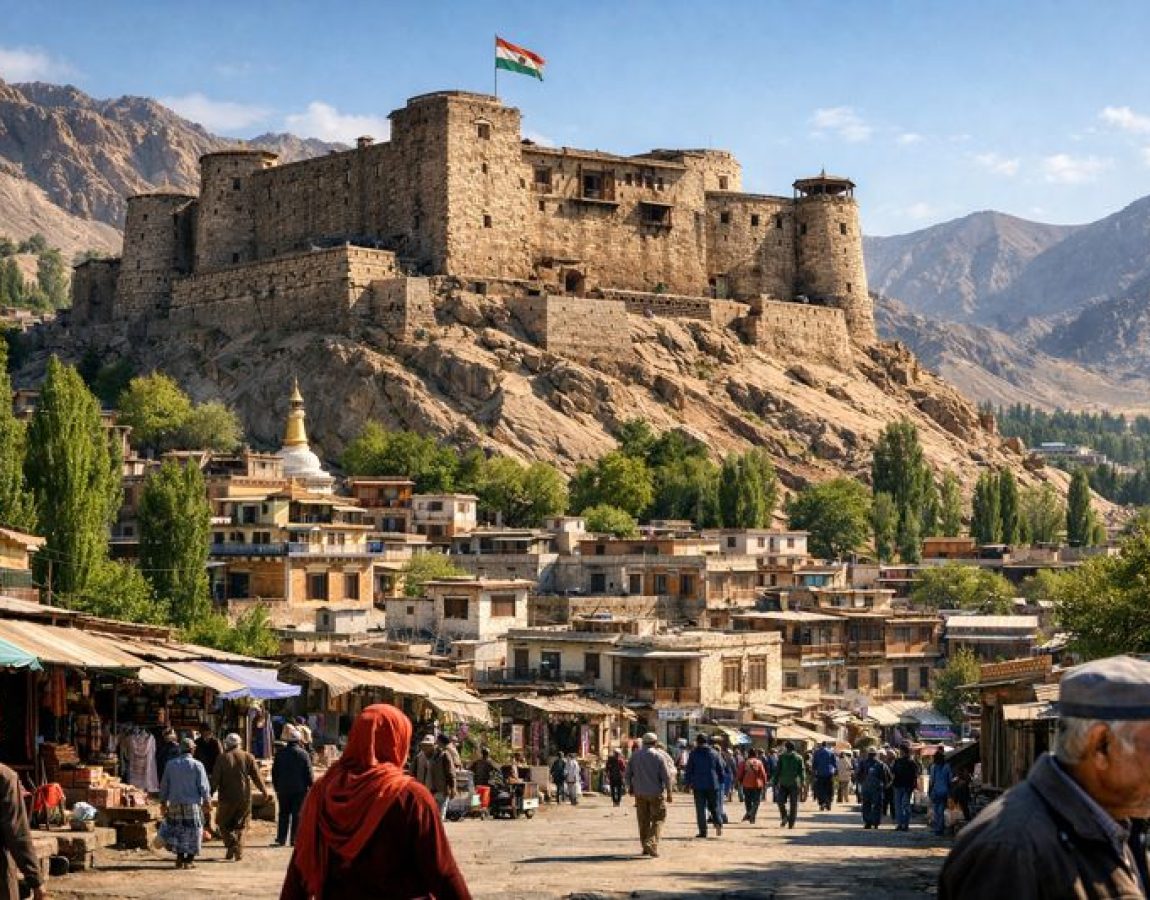
Leh’s history dates back more than a thousand years. Due to its position along the ancient Silk Route, Leh emerged as an important trading center connecting Central Asia, Tibet, China, and the Indian subcontinent. Merchants traded silk, wool, spices, precious stones, and handicrafts, transforming Leh into a prosperous caravan town. Between the 10th and 17th centuries, Leh became the capital of the Kingdom of Ladakh under the Namgyal dynasty. The town flourished politically and culturally during this period. The construction of the iconic Leh Palace in the 17th century by King Sengge Namgyal symbolized royal power and Tibetan-style architecture, closely resembling the Potala Palace of Lhasa. From royal palaces and serene monasteries to lively bazaars, Leh proudly preserves its past while thoughtfully embracing modern life.
Culture & Heritage
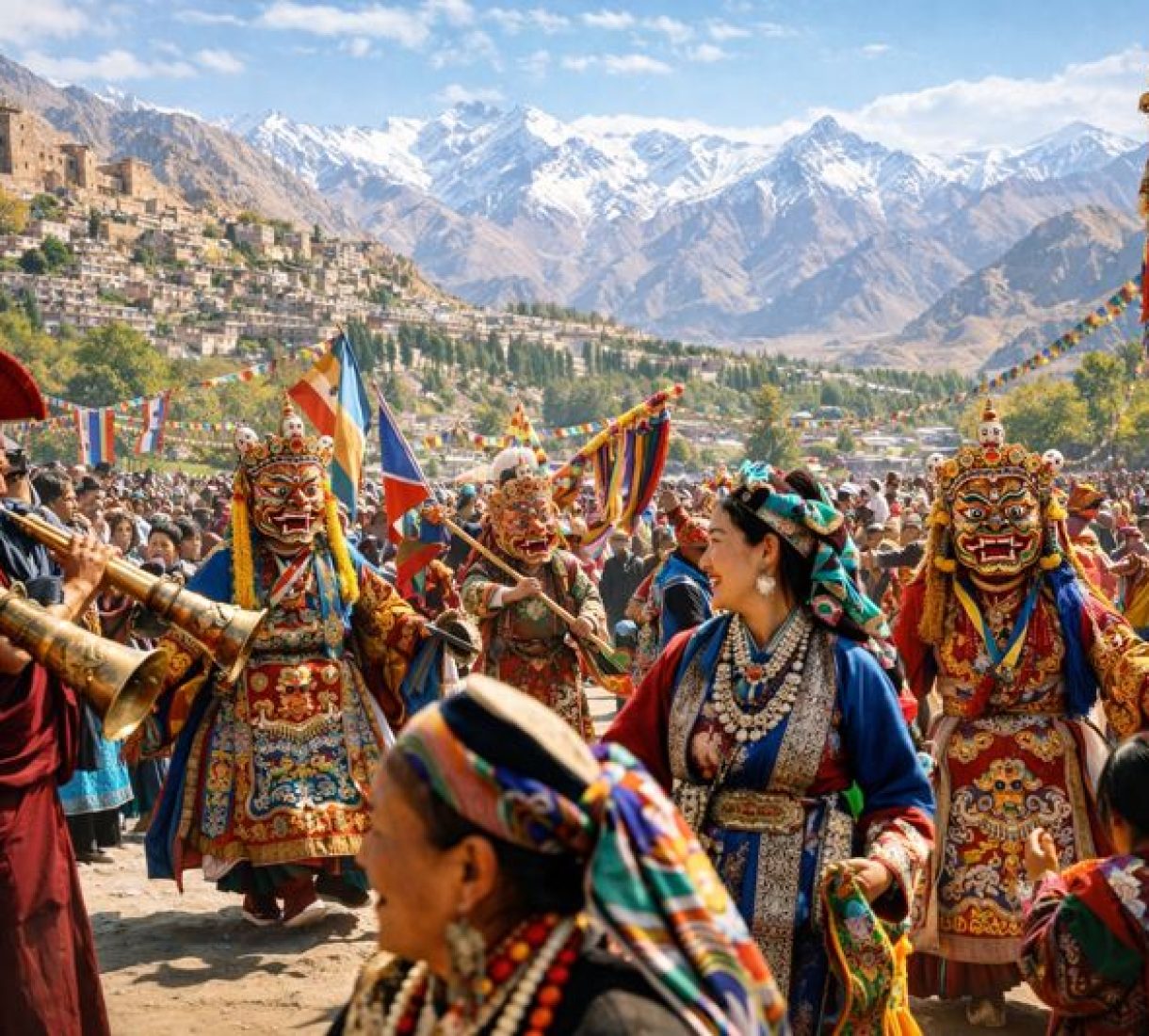
Leh Town is the cultural and spiritual heart of Ladakh, shaped by centuries of Himalayan traditions, Buddhist philosophy, and trans-Himalayan influences. Its culture reflects a harmonious blend of spirituality, community life, and resilience in a high-altitude environment. Buddhism plays a central role in the cultural life of Leh. The town and its surroundings are home to numerous monasteries (gompas) that serve as centers of worship, learning, and community gatherings. Daily prayers, chanting, prayer flags, and sacred rituals are an integral part of everyday life, symbolizing peace and compassion.
Leh’s heritage is vividly seen in its traditional architecture. Historic mud-brick houses, whitewashed walls, wooden balconies, and flat roofs are designed to withstand the harsh climate. Structures like Shanti Stupa (built later in the 20th century) reflect the continued spiritual importance of the town. Festivals, rituals, and monastic traditions became integral to daily life.
Glance Of LEH
Area
9.15 km2 (3.53 sq mi)
Population
5 Lakhs
Languages
Ladakhi, Balti, Hindi English
Revenue
25,00,00,000 Per Year
Arts, Crafts & Traditions
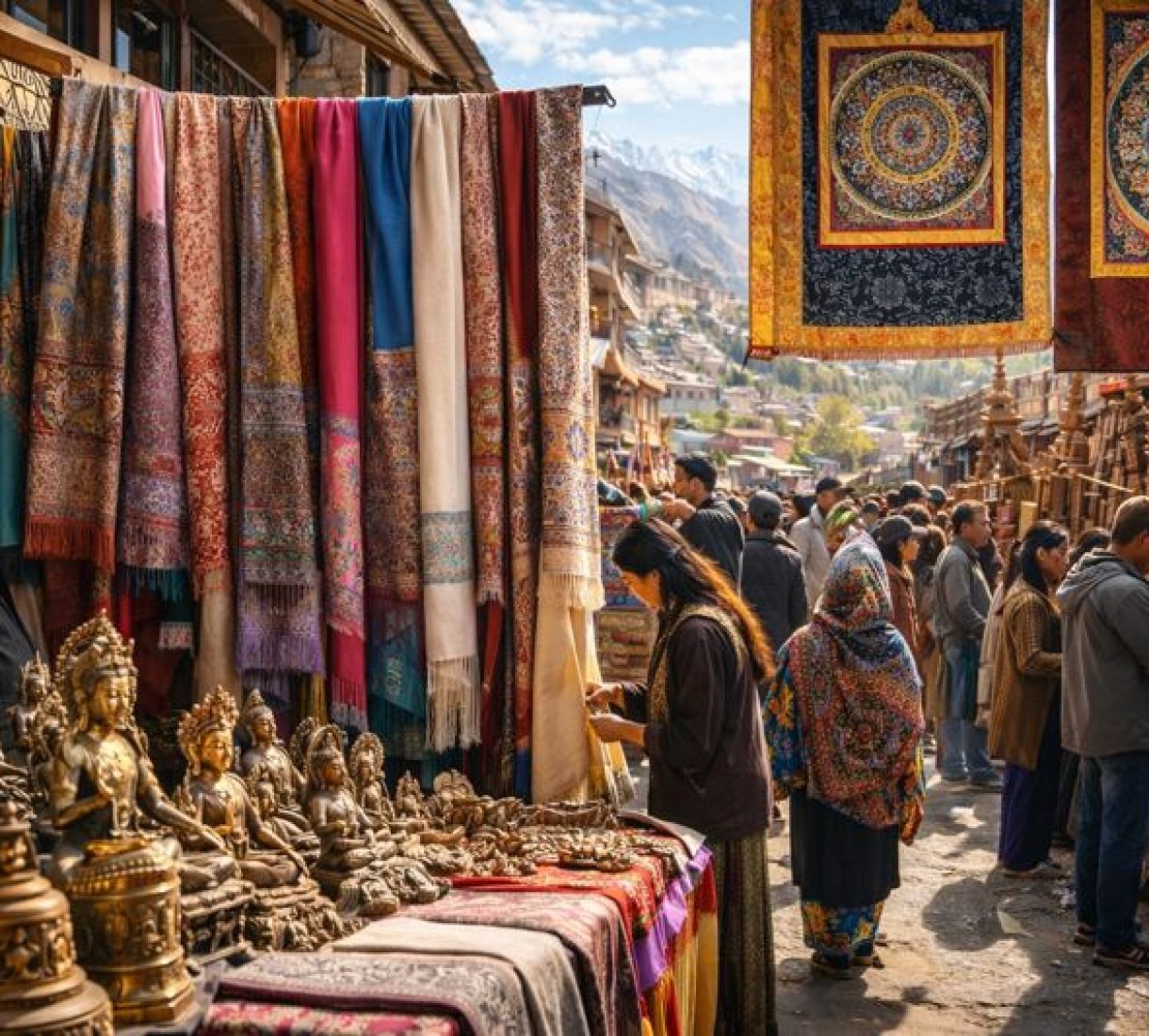
Art in Leh is closely connected to religion and daily life. One of the most prominent art forms is Thangka painting, a sacred Buddhist art created on cloth using natural pigments. These paintings depict deities, mandalas, and scenes from Buddhist teachings and are used in monasteries and homes for meditation and spiritual learning. Wall paintings and murals found in monasteries around Leh also showcase intricate designs, symbolic colors, and fine craftsmanship passed down through generations.
Pashmina shawls, made from the fine wool of Changthangi goats, are among the most prized crafts of the region. Weaving and spinning are traditional skills practiced in local communities, reflecting both cultural identity and livelihood. Other important crafts include wood carving, metalwork, carpet weaving, and pottery. Wooden windows, doors, and household items often feature traditional motifs inspired by Buddhist symbols and nature.
Frequently Asked Questions
Why is Leh important?
Leh is the cultural, administrative, and tourism hub of Ladakh, preserving ancient Himalayan traditions while supporting modern development.
Where is Leh Town located?
Leh is located in the Union Territory of Ladakh, in northern India, set in the Indus River Valley at a high Himalayan altitude.
What is Leh famous for?
Leh is famous for its breathtaking landscapes, Buddhist monasteries, Leh Palace, Shanti Stupa, vibrant festivals, and adventure tourism.
What is the best time to visit Leh?
The best time to visit Leh is May to September, when roads are open and the weather is suitable for travel and sightseeing.
What languages are spoken in Leh?
The main local language is Ladakhi, while Hindi and English are widely understood and spoken.
What are the major festivals celebrated in Leh?
Major festivals include Hemis Festival, Losar (Ladakhi New Year), Dosmochey, and monastery festivals featuring masked dances and rituals.
How can I reach Leh?
Leh can be reached by air via Kushok Bakula Rimpochee Airport or by road through the Manali–Leh Highway and Srinagar–Leh Highway (seasonal).